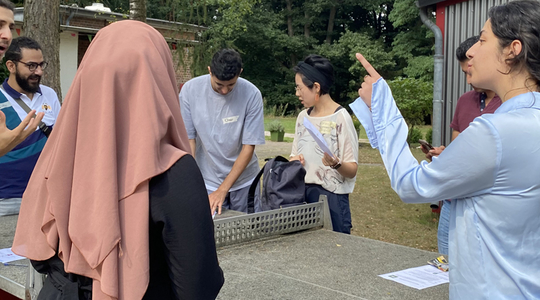
Simulation game
Wer regiert Neuland? Coalition-building in Germany
Target-Group
Pupils aged 16 and over, first-time voters, young voters
Topics
Democracy & Participation
Level
Beginner, Experienced
Duration
< 4 hours, 4-6 hours
Number of participants
20-30
Format
Online, Onsite
Languages
Arabic, English, German
Participants engage with party manifestos in a playful way, thereby deepening their understanding of the political goals, priorities and approaches of the parties in Germany. Above all, participants gain a direct insight into how their vote can influence the formation of a government. Overall, this leads to a better understanding of the weight of one’s own vote. Actively experiencing political processes during the simulation allows participants to practise their ability to compromise and aims to increase their willingness to engage with those who hold different views.
Scenario & Procedure
We are eagerly looking forward to the ‘super election year’ of 2021 and, in particular, the upcoming coalition negotiations. Just how contentious these can become was demonstrated not least in Thuringia last year. As coalition negotiations are generally conducted with little transparency behind closed doors, they carry the risk of causing misunderstanding and even leading to a loss of trust among voters. Such an impression must be avoided, particularly among young people, so as not to encourage a declining willingness to compromise and a growing susceptibility to populist rhetoric (Shell Study 2019). The simulation game “Who will govern Germany in 2021?” aims to counteract this trend. The simulation game can be run as a purely online version or as a blended version.
Objectives
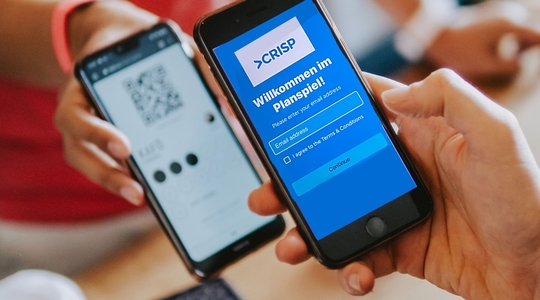
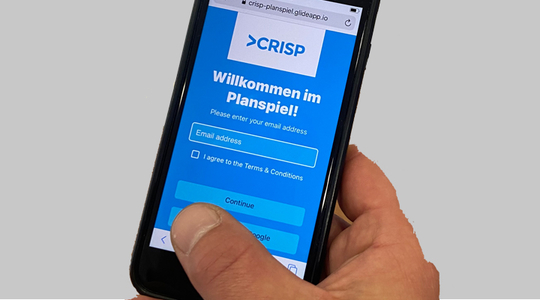
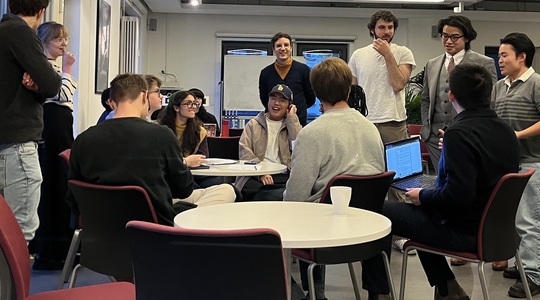
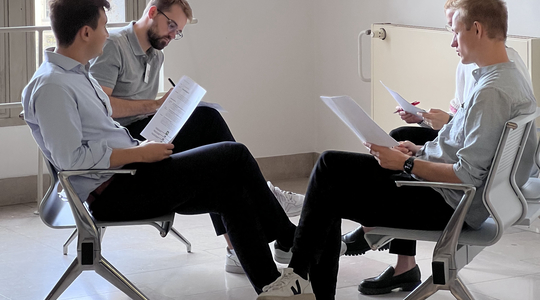
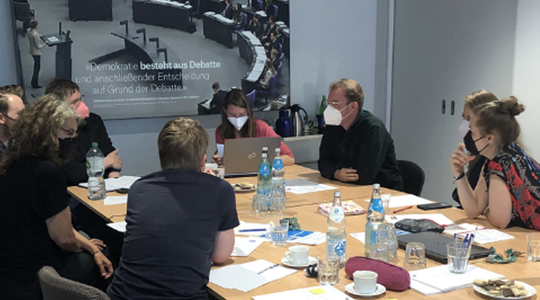
In this simulation game, participants use a smartphone app to interact with one another. The game simulates the 2021 German federal elections. The content is based on the real party manifestos, but all names in the simulation are fictional. Participants first conduct a simplified election; they then take on the roles of politicians and simulate coalition negotiations. The app guides participants through parliamentary group meetings, exploratory talks, and both informal and formal negotiations. By the end of the simulation, coalition partners will (perhaps) have been found and will elect a new Chancellor. Depending on preference, specific topics can be selected for the simulation, ranging from education and environmental policy to social and health policy, among others.
Learning Goals
- Greater awareness of the weight of one’s own voice
- A better understanding of political processes, in this case: coalition-building
- Greater willingness to compromise on the part of the participants
- A greater willingness to engage with those who hold different political views
Award